
UNLV, Nevada regulators respond to Trump’s executive order reclassifying cannabis

UNLV, Nevada Regulators Respond To Trump’s Executive Order Reclassifying Cannabis
The order, signed Dec. 18, moves cannabis out of the most restrictive category of the federal Controlled Substances Act. Instead of being treated like heroin and other Schedule I drugs, cannabis would be reclassified as a Schedule III drug that recognizes medical use and a lower risk of abuse.
Experts at UNLV say the move signals a shift in federal thinking, even if it doesn’t immediately change access for consumers.
“I appreciate seeing movement in the right direction for a substance that was overly criminalized in the United States and hope that with more research and policy discussions, the cannabis plant will continue to become more available as medicine and allowed for adult use, as appropriate,” said Riana Durrett, director of UNLV’s Cannabis Policy Institute.
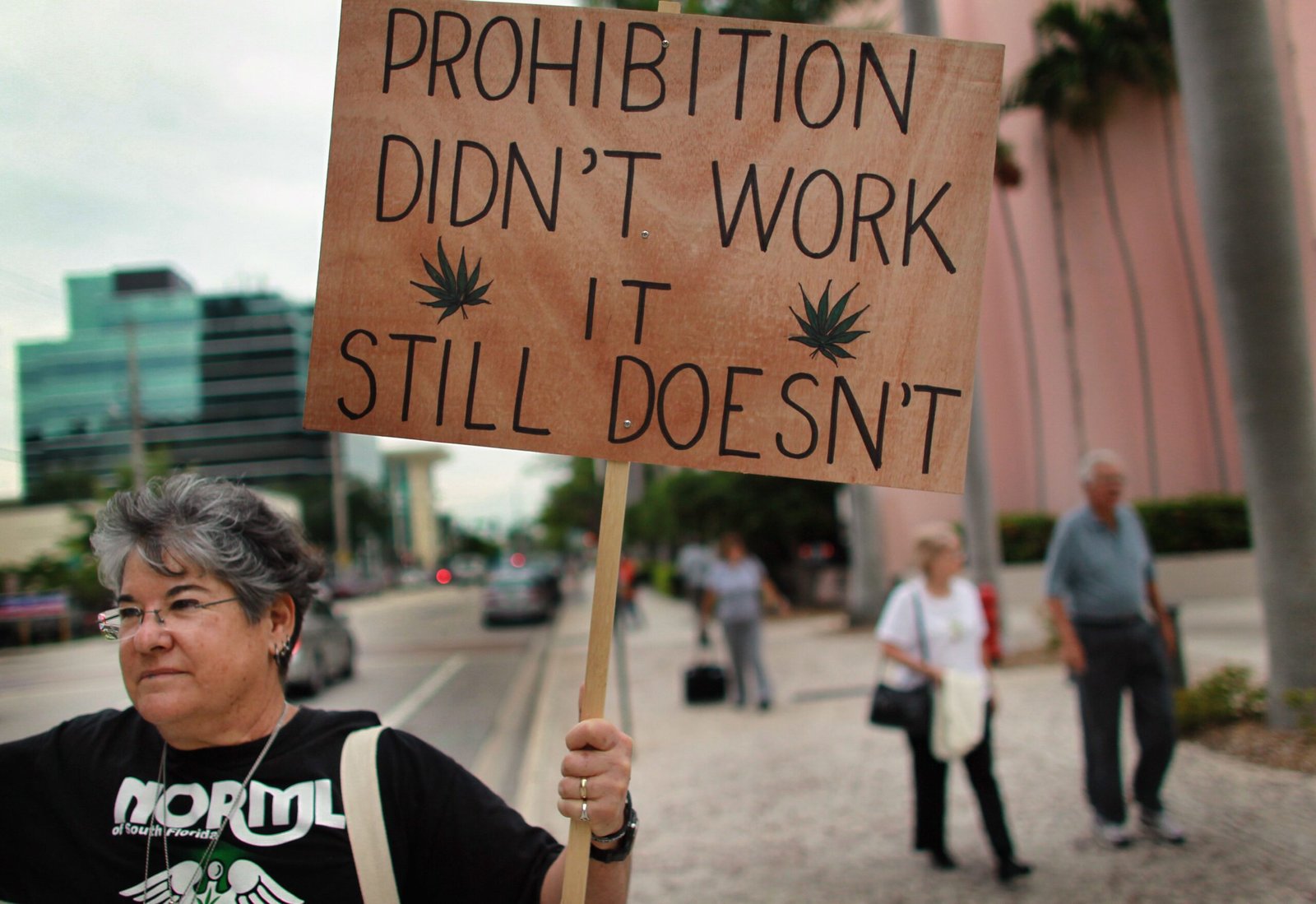
She noted the order reflects a broader change in mindset following decades of strict enforcement tied to the War on Drugs.
“This change reflects America’s tendency to make incremental progress, but I hope it also reflects growth from the failed War on Drugs, especially as it relates to cannabis,” Durrett said.
A Category Defined By Change
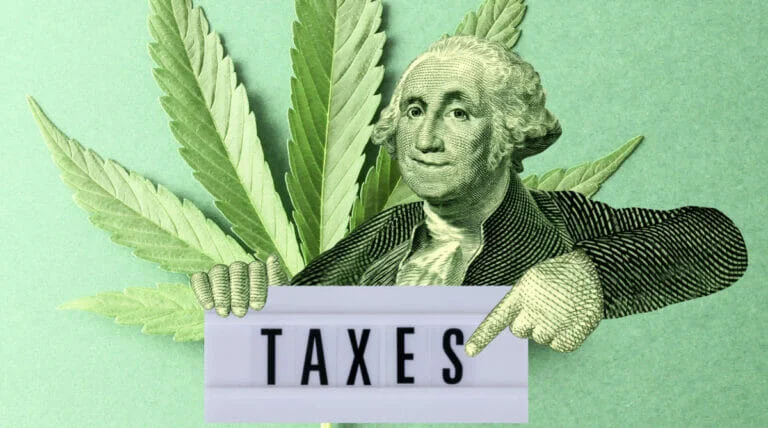
One of the biggest impacts could be financial. Reclassification would remove a long-standing federal tax rule that has burdened state-licensed cannabis businesses, allowing them to deduct normal operating expenses. That change could help Nevada’s regulated cannabis industry better compete with illegal sellers.
Navigating Federal And State Conflicts
However, Durrett cautioned that the order does not fully resolve conflicts between state and federal law. Cannabis would remain federally regulated, meaning researchers must continue navigating approval processes and federal registration requirements.

“It is difficult to gauge how much impact this will have on cannabis research as cannabis will still be scheduled and require federal agency approvals as well DEA registration for research purposes, but it is a step in the right direction,” Durrett said, adding that the order could eventually help UNLV scientists studying cannabis-related treatments, including research involving CBD and childhood diseases.
A Prepared Response From State Regulators
State regulators echoed a cautious but prepared response.
The Nevada Cannabis Compliance Board said it is ready to work with industry leaders and lawmakers as the federal changes take shape. The agency emphasized it will continue overseeing licensing and enforcing seed-to-sale regulations to protect public health and safety.
The board also pointed to a recently completed study by a state advisory subcommittee examining how federal reclassification could affect Nevada’s cannabis market. The findings were presented to the Cannabis Advisory Commission to help guide future policy decisions.
Looking Ahead: The Industry's Future
While the executive order is unlikely to bring immediate changes for recreational or medical cannabis users in Nevada, both UNLV and state officials say it represents a meaningful step toward broader reform — one that could shape research, regulation, and the industry’s future in the years ahead.
In Nevada, cannabis is legal for adults 21 and older and is sold through state-licensed dispensaries. Medical cannabis is also permitted, but cannabis remains illegal under federal law, meaning changes in federal policy do not automatically affect how it is regulated or sold in the state.










Leave a Reply