
Virginia moves to launch legal cannabis marketplace after years of delay
By: Admin Cannabiz
19 March, 2026
0 Comments
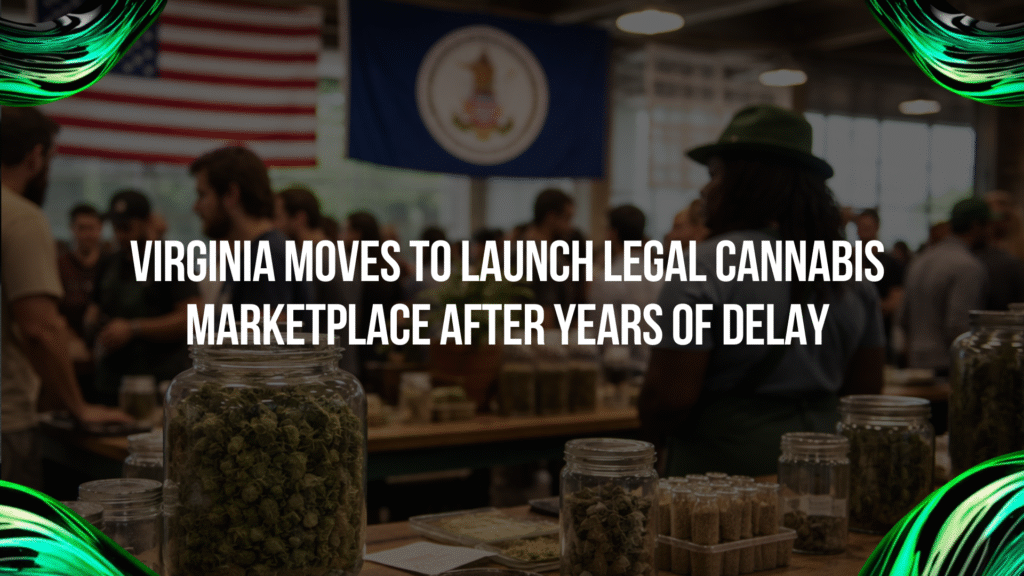
Virginia Moves to Launch Legal Cannabis Marketplace After Years of Delay
Five years after Virginia legalized possession of small amounts of cannabis but failed to create a way for people to legally buy it, state lawmakers last week approved legislation establishing a regulated retail market for adult-use cannabis, potentially ending years of uncertainty over how cannabis could be legally bought and sold in the state.
Late Friday, the Senate approved the conference committee compromise on House Bill 642 by a 21–18 party-line vote. The House of Delegates followed on Saturday, the final day of the 2026 General Assembly session, passing the measure 64–32 and sending it to Gov. Abigail Spanberger’s desk.
If the Democrat signs it — as she said she would during an interview with The Mercury last summer — the bill would allow Virginians 21 and older to legally purchase cannabis beginning Jan. 1, 2027.
The vote marks a significant shift after years of failed efforts, after legislators legalized adults possessing up to an ounce of cannabis in 2021, and allowed people to grow up to four plants at home. Republican Gov. Glenn Youngkin repeatedly vetoed legislation that would have allowed retail sales.
“It’s what Virginians have asked for, and we’ve spent the time, and had many, many hours of hearings where there was public input... and this is the product from all of that hard work.”
The measure approved in the closing hours of the 2026 session would create a statewide licensing system, tax structure and regulatory framework overseen by the Virginia Cannabis Control Authority. The legislation lays out standards for cultivation, processing, distribution and retail sales of cannabis products through regulated businesses.
Del. Paul Krizek, D-Fairfax, who sponsored the House version of the legislation, said it reflects years of negotiations and public input.
“It’s been a long and arduous journey, but it’s also been good, because with that time, we were able to really get input from all walks of life, from all over the commonwealth, the stakeholders, individuals, constituents,” Krizek said in an interview.
Conference Negotiations Shape The Final Bill
Although both chambers supported establishing a retail cannabis market, lawmakers disagreed on several details, including the timeline for launching sales, the tax structure and regulatory oversight.
Krizek’s House bill would have allowed retail sales beginning Nov. 1, 2026, while the Senate version sponsored by Sen. Lashrecse Aird, D-Henrico, set a later launch date of Jan. 1, 2027.
The compromise adopted the Senate timeline.
“Less than a year from now, you’ll be able to legally buy cannabis products for adult use, recreational, throughout Virginia,” Krizek said. “I guess it won’t happen exactly on January 1, but it will be legal at that point.”
Taxes, Fees, and Market Limits
The legislation blends competing tax proposals, establishing a 6% state cannabis tax while allowing local governments to adopt an additional tax between 1% and 3.5%. Combined with existing sales taxes, total taxation on cannabis products would typically fall between about 12% and 16%.
Existing medical cannabis operators would be allowed to enter the adult-use market by paying a $10 million conversion fee, a compromise between the lower fee proposed in the House and a higher fee suggested in the Senate.
The final proposal also caps the number of retail cannabis establishment licenses at 350 and increases Virginia’s legal possession limit from one ounce to 2.5 ounces.
Oversight and Penalties
Under the legislation, businesses involved in cultivation, processing, wholesale distribution, retail sales and microbusiness operations must obtain licenses from the Cannabis Control Authority. Licensed establishments must display official decals showing they are authorized to sell cannabis products.
The new state agency would oversee licensing, enforce regulatory compliance, collect cannabis taxes and monitor the supply chain. Krizek noted that the Cannabis Control Authority may conduct lotteries if the number of applicants exceeds available permits, and that retailers will need time to secure financing, obtain licenses and establish operations. Businesses would have up to two years to activate their licenses before losing them.
-
Civil Penalties Fines for violations could reach up to $10,000 per day, including for operating without a license or displaying falsified licensing decals.
-
Enforcement Provisions The bill addresses underage possession, rules governing seizure/destruction of cannabis by revoked licensees, and mechanisms for collecting unpaid taxes.
-
Criminal Escalations Selling cannabis without a license carries escalating criminal penalties, starting as a Class 2 misdemeanor and rising to a Class 6 felony for repeated offenses.










Leave a Reply